
Katherine Clark’s Big Pharma Problem
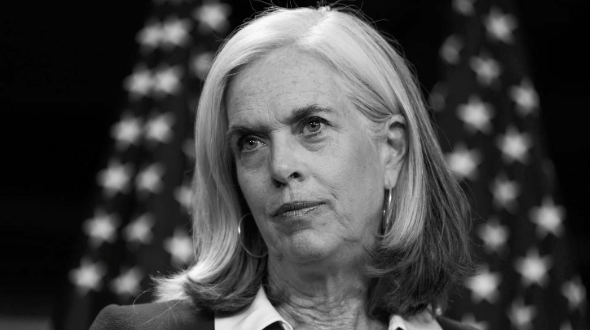
When House Democratic Whip, Katherine Clark, took on her leadership role in 2023, she promised to fight for affordable prescription drugs and hold pharmaceutical companies accountable. But the financial record tells a more complicated story that Clark’s rhetoric on Big Pharma is just big talk. Congresswoman Katherine Clark is now in the top 20 membersof Congress taking the most money from drug companies.
Across the two most recent cycles, Clark’s campaign has collected $413,306 from pharmaceutical sector sources. According to OpenSecrets.org, Clark has received $272,556 from the pharmaceutical and health products industry during the 2023–2024 election cycle alone. Of that total, $220,950 came from pharmaceutical PACs and $51,606 from individual donors, making the industry her #4 top source of campaign money this cycle. In the previous 2021–2022 cycle, Clark took in $140,750 from pharmaceutical and health product interests with $122,500 from PAC contributions and $18,250 from individuals.
What’s worse, her top pharmaceutical PAC contributors include some of the most controversial drugmakers:
Alkermes, maker of the $6,000-per-month opioid addiction treatment Vivitrol, which has no generic alternative. Clark has championed opioid treatment access in public remarks, yet she hasn’t challenged the high cost of the very drugs her donors profit from.
Sanofi, which markets Lumizyme, an enzyme replacement therapy priced at roughly $630,000 per year.
Merck, criticized for charging up to 40 times its manufacturing cost for its COVID-19 antiviral pill, molnupiravir.
Despite her strong public stance against Big Pharma, these contributions continue to flow. When Clark voted for the Inflation Reduction Act (IRA) in 2022, she hailed it as a victory over drug industry power, declaring:
“We have taken on Big Pharma and won – granting Medicare the authority to negotiate prescription drug costs directly with manufacturers.”
Yet the law’s final version told a more cautious story. As the Medicare Rights Center notes, the IRA’s drug negotiation provisions begin with just ten drugs and apply only to Medicare, rolling out gradually through 2029. Industry lobbying, led by PhRMA and its allies, successfully weakened the bill. As part of House leadership, Clark played a role in accepting those concessions rather than pushing for a bolder version of reform.
The result: Clark remains a major recipient of pharmaceutical money while publicly positioning herself as a champion against industry excess. Her record makes us wonder, can lawmakers truly fight Big Pharma when Big Pharma fund their campaigns?
